LN
Anyone want to start a casual jam group? I play guitar badly and would love a drummer or anyone who sings. Thinking Sunday afternoons in a music room on campus.
@linhng
Frontend Developer at a Melbourne startup (graduated 2025)
Anyone want to start a casual jam group? I play guitar badly and would love a drummer or anyone who sings. Thinking Sunday afternoons in a music room on campus.
IT students who want a web development internship: here is the portfolio plan I give every mentee, step by step. Week 1 to 3: finish the MDN Learn web development modules on HTML and CSS. Do not skip the accessibility sections, interviewers ask about semantic HTML more than you would think. Week 4 to 6: rebuild one real website you use every day, pixel for pixel, with plain HTML and CSS. No frameworks yet. You will learn more about layout from copying a real page than from ten tutorials. Week 7 to 9: add JavaScript. Make one thing interactive that actually solves a problem for you, like a timetable planner for your Deakin units or a budget tracker. Week 10 onwards: learn React by rebuilding that same project. Now you have a before and after story, which is exactly what interviewers want to hear. Put everything on GitHub with a short README and screenshots, deploy it for free, and link it at the top of your resume. When I hired for my team, a deployed project with a clear README beat a 7-page resume every single time. Use SIT120 as your excuse to polish one of these projects, since the unit literally rewards it.
AI summary · AI-generated
A 10-week plan for a web dev internship portfolio: MDN basics with accessibility, clone a real site in plain HTML and CSS, add JavaScript to solve your own problem, then rebuild it in React and deploy it with a clear README.
I used to think I had to learn every framework before anyone would hire me. Completely wrong. I built 3 projects in React, wrote proper READMEs, deployed them to Vercel. Every interview only asked about those 3. Learning one thing deeply beats skimming ten.
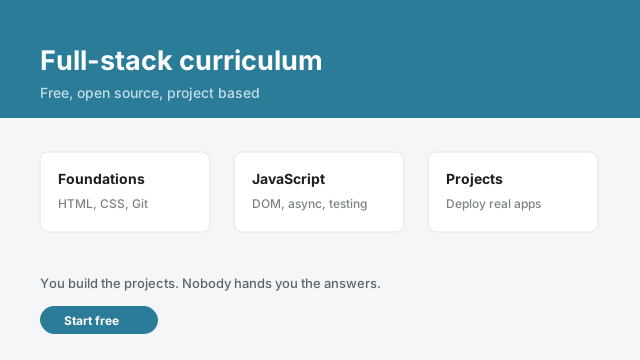
Our startup in the Melbourne CBD is hiring a part-time junior frontend developer: React, two days a week, hybrid, paid at or above the award rate. Year 2 or 3 Deakin IT and CS students welcome, no internship needed. I will pass strong applications straight to our hiring manager. Show me one deployed project and tell me what you would change about it now. Apply through the job ad and reply here so I know to look for you.
SIT120 is secretly a portfolio unit. My final assignment became the centrepiece of my job applications. Pick a real problem, polish the UI, and deploy it. A live URL in a resume gets clicked, a zip file does not.
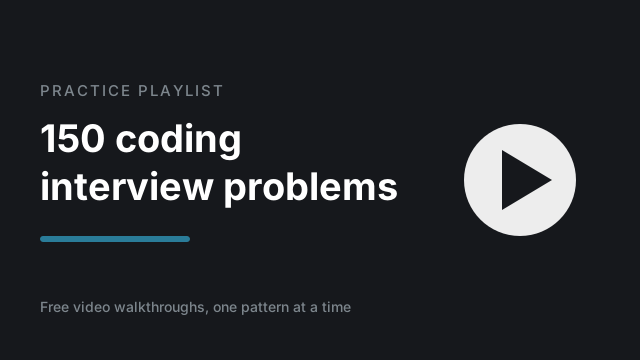
To first-year IT students, especially international ones: don't let your English stop you from asking questions in labs. The tutors here deal with international students every single day and they do not care about your accent. I sat silent through an entire trimester because I was embarrassed, and I wasted a lot of tuition doing it. Asking a 'stupid' question beats submitting late.
The Odin Project plus one deployed personal site taught me more practical web dev than any single unit. Uni gives you the theory and the paper; you have to give yourself the reps. Both matter.
My job hunt numbers, for anyone who needs them: 47 applications, 5 interviews, 1 offer. I wanted to quit roughly once a month. The thing that actually changed my results was asking for feedback after every rejection. Only about 1 in 10 companies replied, but those replies told me my CV buried my projects on page 2 and that I was explaining what I built instead of why it was hard. Don't apply into silence. Treat each rejection as data, fix one thing, send the next one. And put your projects on the internet where a recruiter can click them, not in a folder on your laptop.
AI summary · AI-generated
47 applications, 5 interviews, 1 offer. Asking for feedback after each rejection (even though few replied) was the turning point.